Delving into minimalist house design, this introduction immerses readers in a unique and compelling narrative that showcases the elegance of simplicity and functionality. From clean lines to open spaces, minimalist design offers a refreshing perspective on modern living.
As we journey through the key principles, interior design concepts, space optimization strategies, and exterior aesthetics of minimalist houses, we unravel a world where less is truly more.
Minimalist House Design Principles
Minimalist house design is characterized by simplicity, functionality, and clean lines. It focuses on the idea of "less is more" and emphasizes the use of only essential elements in the design.
Incorporating Simplicity
Simplicity is a key principle of minimalist house design. This can be seen in the use of clean, uncluttered spaces with minimal decoration. Furniture and decor are often kept to a minimum, with a focus on quality over quantity.
Emphasis on Functionality
Functionality is another important aspect of minimalist design. Every element in a minimalist home serves a purpose and is designed with practicality in mind. Multi-functional furniture pieces and clever storage solutions are often used to maximize space.
Importance of Natural Light and Open Spaces
Natural light and open spaces play a crucial role in minimalist design. Large windows, skylights, and open floor plans are common features in minimalist homes. Natural light not only creates a sense of openness and airiness but also helps to connect the indoor space with the outdoors.
Minimalist Interior Design
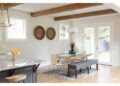
Minimalist interior design focuses on simplicity, functionality, and a sense of calm within a space. By applying minimalist principles to interior spaces, one can create a clean and uncluttered environment that promotes a sense of peace and tranquility.Neutral colors play a significant role in minimalist interiors, with white, beige, gray, and black being commonly used.
These colors help create a sense of openness and airiness, making the space feel larger and more inviting. Simple furniture pieces with clean lines and minimal ornamentation are key in minimalist interior design, focusing on practicality and functionality.Decluttered spaces are essential in minimalist design, with an emphasis on only keeping items that serve a purpose or bring joy.
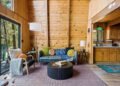
This approach helps create an organized and serene environment, free of unnecessary distractions.Textures, materials, and accents are used strategically in minimalist interiors to add warmth and visual interest. Natural materials like wood, stone, and metal can be incorporated to create depth and contrast.
Soft textures such as wool or linen can add coziness to the space, while a few carefully chosen accent pieces like a textured rug or a statement light fixture can serve as focal points without overwhelming the simplicity of the design.
Role of Textures and Materials
In minimalist interior design, textures and materials play a crucial role in adding depth and visual interest to a space. By incorporating a variety of textures such as rough wood, smooth metal, or soft fabric, one can create a sense of balance and warmth in an otherwise simple and streamlined environment.
Natural materials like wood, stone, and leather are often favored in minimalist interiors for their organic feel and timeless appeal. These materials not only add visual richness but also contribute to the overall comfort and coziness of the space.
Space Optimization in Minimalist Design
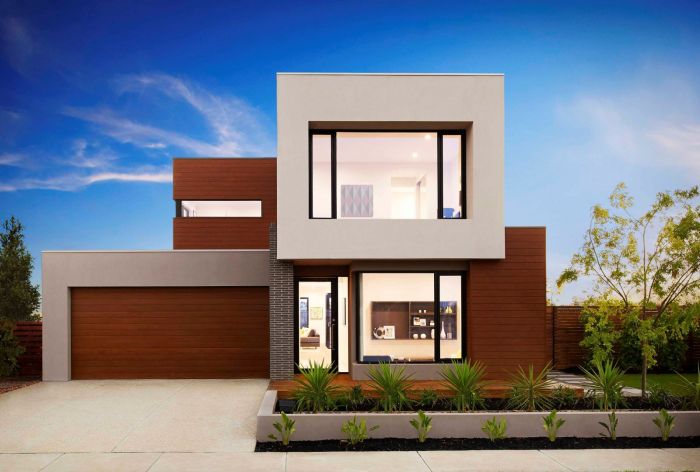
In minimalist house design, optimizing space is crucial to maintain the clean and uncluttered aesthetic. Here are some strategies to make the most out of limited space:
Multifunctional Furniture and Storage Solutions
- Invest in furniture pieces that serve dual purposes, such as a sofa bed or a coffee table with storage compartments.
- Utilize wall-mounted shelves, floating cabinets, and built-in storage to maximize vertical space without taking up floor area.
- Consider collapsible or foldable furniture that can be easily stored away when not in use.
- Use storage ottomans, hidden drawers, and under-bed storage to keep belongings organized and out of sight.
Reducing Visual Clutter and Creating an Open Feel
- Stick to a neutral color palette and minimalist decor to create a sense of openness and airiness in small spaces.
- Opt for furniture with clean lines and simple designs to avoid visual clutter and maintain a cohesive look.
- Keep surfaces clear of unnecessary items and decorations to create a more spacious feel.
- Use mirrors strategically to reflect light and create the illusion of a larger space.
Minimalist Exterior Design
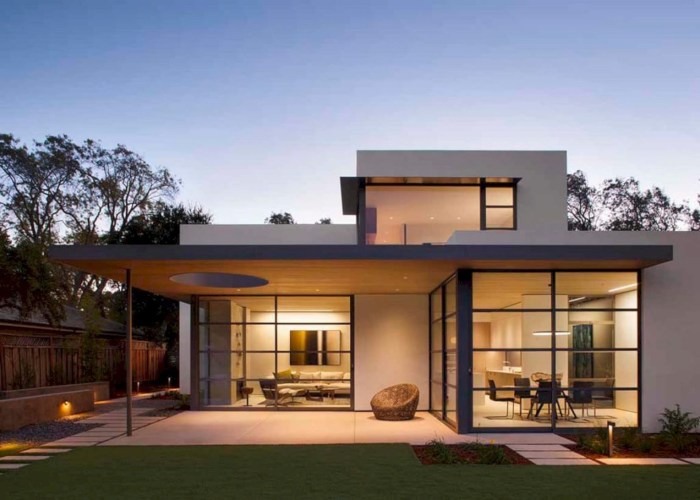
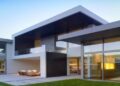
When it comes to minimalist architecture for the exterior of a house, simplicity and clean lines are key. Minimalist exteriors often feature a combination of geometric shapes, simple facades, and natural materials to create a sleek and modern look.
Characteristics of Minimalist Exterior Design
- Geometric shapes: Minimalist exteriors often incorporate geometric shapes such as squares, rectangles, and triangles to create a sense of order and simplicity.
- Simple facades: Clean lines, flat surfaces, and a limited color palette are common elements of minimalist exterior design, creating a minimalist and uncluttered appearance.
- Natural materials: Minimalist exteriors frequently use natural materials like wood, stone, and concrete to add warmth and texture to the design while maintaining a minimalist aesthetic.
Relationship with Surroundings
Minimalist exterior design is often tailored to complement its surroundings. Whether it's a rural landscape or an urban setting, minimalist houses are designed to blend in seamlessly with their environment while still making a bold architectural statement. By using simple forms and natural materials, minimalist exteriors can enhance the overall aesthetic of a space without overpowering it.
Conclusive Thoughts
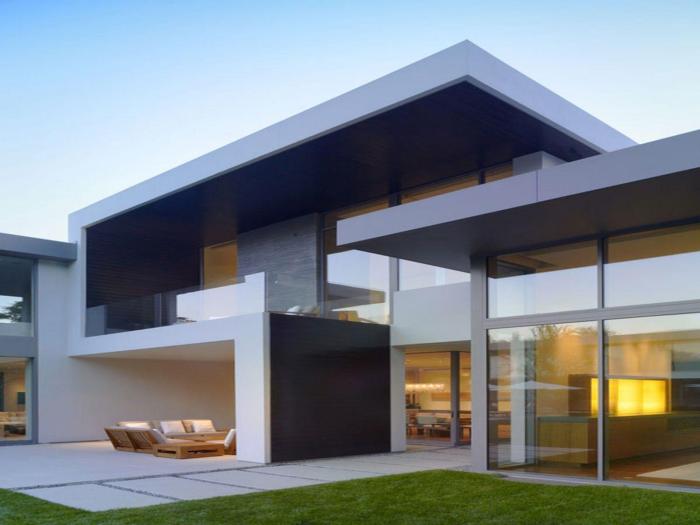
In conclusion, minimalist house design epitomizes the essence of refined living, where every element serves a purpose and every space exudes tranquility. Embracing minimalism is not just a design choice, but a lifestyle that celebrates clarity, balance, and harmony within our homes.
Question Bank
How can I incorporate natural light into a minimalist house design?
To maximize natural light, consider large windows, skylights, and strategically placed mirrors to enhance the sense of openness and brightness in your minimalist space.
What are some common materials used in minimalist interior design?
Popular materials include natural wood, metal, glass, and concrete, which help maintain the clean and sleek aesthetic of minimalist interiors.
Is it possible to create a cozy atmosphere in a minimalist interior?
Absolutely! By incorporating soft textures like wool or faux fur, adding warm lighting, and introducing a few carefully curated accents, you can infuse warmth and coziness into your minimalist space.