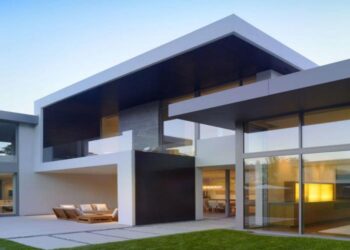
Embark on a journey through the world of cabin interior design, where every detail plays a crucial role in shaping the space. From the choice of materials to the integration of technology, each aspect contributes to the overall ambiance and functionality of the cabin interior.
Let's delve into the intricacies of this fascinating topic.
As we navigate through the various sections, you'll gain a deeper understanding of what makes cabin interiors unique and how different elements come together to create a harmonious living space.
Overview of Cabin Interior
When it comes to cabin interiors, there are various components that come together to create a comfortable and functional space. These components include the furniture, lighting, flooring, wall coverings, textiles, and decorative elements that all contribute to the overall design and atmosphere of the cabin. The design of a cabin interior is crucial in various industries such as hospitality, aviation, marine, and residential sectors.
In the hospitality industry, cabin interiors play a key role in creating a welcoming and relaxing environment for guests. In aviation and marine industries, cabin interiors are designed to maximize space efficiency and provide comfort for passengers during their journey.
In residential settings, cabin interiors are often designed to reflect the homeowner's personal style and preferences.
Different Styles of Cabin Interiors
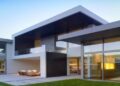
- Modern: Modern cabin interiors are characterized by clean lines, minimalistic furniture, and a contemporary color palette. These interiors often feature sleek fixtures and technology-driven amenities.
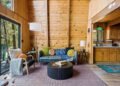
- Rustic: Rustic cabin interiors embrace a cozy and inviting atmosphere with natural materials like wood, stone, and exposed beams. These interiors often incorporate warm colors and traditional design elements.
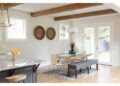
- Minimalist: Minimalist cabin interiors focus on simplicity and functionality, with a clutter-free and streamlined design. These interiors typically feature neutral colors, sleek furniture, and ample natural light.
Materials Used in Cabin Interior
When designing cabin interiors, choosing the right materials is crucial to ensure durability, comfort, and aesthetic appeal.
Wood
- Commonly used for cabinetry, flooring, and paneling.
- Natural, warm appearance.
- Requires regular maintenance to prevent warping or fading.
Leather
- Often used for upholstery and accents.
- Luxurious look and feel.
- Durable and easy to clean with proper care.
Stone
- Used for countertops, fireplace surrounds, and flooring.
- Natural and timeless aesthetic.
- Highly durable but may require sealing to prevent staining.
Metal
- Commonly used for hardware, fixtures, and accents.
- Sleek and modern appearance.
- Durable and low maintenance.
Color Schemes and Lighting
Color schemes and lighting play a crucial role in shaping the overall look and feel of a cabin interior. The combination of colors and the type of lighting used can greatly impact the ambiance and atmosphere within the space.
Impact of Color Schemes
Color schemes have the power to evoke different emotions and set the tone for a cabin interior. For example, warm tones like earthy browns and deep reds can create a cozy and inviting feel, perfect for a rustic cabin setting.
On the other hand, cool tones like blues and greens can bring a sense of calm and tranquility, ideal for a modern or minimalist cabin design.
- Neutral color schemes, such as whites, grays, and beiges, are popular choices for cabin interiors as they create a versatile and timeless look that can easily be paired with different decor styles.
- Contrasting color schemes, like black and white or bold primary colors, can add a dynamic and modern touch to a cabin interior, making a bold statement.
- Monochromatic color schemes, where different shades of a single color are used, can create a harmonious and cohesive look that feels sophisticated and elegant.
Role of Lighting
Lighting is essential in enhancing or altering the ambiance of a cabin interior. The type of lighting fixtures, placement, and intensity can significantly impact the mood and functionality of the space.
- Natural light is often preferred in cabin interiors as it creates a sense of connection to the outdoors and helps to brighten up the space. Large windows, skylights, and glass doors are common features used to maximize natural light.
- Artificial lighting, such as ceiling lights, wall sconces, and floor lamps, can be used to create different lighting effects and highlight specific areas within the cabin. Dimmable lights are popular for creating a cozy and intimate atmosphere in the evenings.
- Task lighting, like under cabinet lights in the kitchen or reading lamps by the bed, is important for providing adequate illumination for specific activities and enhancing the functionality of the cabin interior.
Furniture and Layout
When it comes to cabin interiors, furniture selection plays a crucial role in creating a cozy and functional space. The right furniture not only enhances the aesthetics of the cabin but also contributes to the overall comfort and usability of the space.
Here are some tips for optimizing space and creating a functional layout in a cabin interior.
Optimizing Space
One of the key aspects of designing a cabin interior is maximizing the available space. To achieve this, consider multi-functional furniture pieces such as sofa beds, storage ottomans, and foldable tables. These items can serve dual purposes and help save space in a compact cabin.
- Choose furniture with built-in storage to minimize clutter and keep the cabin organized.
- Utilize vertical space by installing shelves or wall-mounted cabinets to store items off the floor.
- Opt for lightweight and portable furniture that can be easily moved around to create different layouts as needed.
Ergonomic Design
Ergonomics is essential in cabin furniture design to ensure comfort and functionality. Ergonomically designed furniture helps prevent strain and discomfort, especially in small spaces where movement may be limited.
- Select furniture with proper back support and cushioning to promote good posture and comfort during extended periods of sitting.
- Consider the placement of furniture to allow for easy movement and accessibility within the cabin.
- Adjust the height of tables and chairs to accommodate different tasks and activities while maintaining a comfortable seating position.
Technology Integration

Technology plays a crucial role in modern cabin interiors, enhancing comfort, convenience, and efficiency for passengers. Integrating smart technology into cabin design has become increasingly popular, offering a range of benefits along with some challenges.
Benefits of Technology Integration
- Enhanced Passenger Experience: Smart technology allows for personalized entertainment options, connectivity, and control over cabin features.
- Improved Efficiency: Automated systems can optimize energy usage, lighting, temperature, and overall cabin management.
- Space Optimization: Technology enables compact and multifunctional design solutions to make the most of limited cabin space.
Challenges of Incorporating Smart Technology
- Complexity: Integrating multiple systems and ensuring seamless operation can be challenging, requiring careful planning and coordination.
- Cost: Implementing advanced technology features can involve significant upfront costs and ongoing maintenance expenses.
- Compatibility: Ensuring compatibility between different technologies and systems to work harmoniously can be a hurdle in the integration process.
Examples of Innovative Technological Features
- Interactive In-Flight Entertainment Systems: Touchscreen displays, streaming services, and virtual reality experiences offer a wide range of entertainment options for passengers.
- Smart Lighting and Climate Control: Automated systems adjust lighting, temperature, and humidity levels based on passenger preferences and environmental conditions.
- Biometric Security Systems: Facial recognition technology for seamless boarding processes and enhanced security measures within the cabin.
Final Wrap-Up
In conclusion, cabin interior design is a blend of creativity, functionality, and innovation. By carefully considering the components discussed, you can transform any cabin into a cozy and stylish retreat that reflects your personal style. Dive into the world of cabin interior design and unleash your creativity in reimagining living spaces.
Helpful Answers
What are some common materials used in cabin interior design?
Common materials include wood, stone, metal, and leather, each offering a unique aesthetic and texture to cabin interiors.
How does color scheme impact the overall feel of a cabin interior?
Color schemes can evoke different moods and atmospheres in a cabin interior, with warm tones creating a cozy ambiance and cool tones providing a sense of tranquility.
Why is furniture selection important in cabin interiors?
The right furniture enhances both the functionality and style of a cabin interior, ensuring comfort and maximizing space utilization.
What role does technology play in modern cabin interiors?
Technology integration enhances convenience and efficiency in cabin living, with smart features like automated lighting and temperature control becoming increasingly popular.