Exploring the world of roofing and siding services unveils a realm of possibilities for homeowners looking to elevate their property's aesthetics and functionality. From the diverse range of materials to the intricate installation processes, this guide delves deep into the nuances of enhancing your home with top-notch roofing and siding solutions.
Types of Roofing Materials
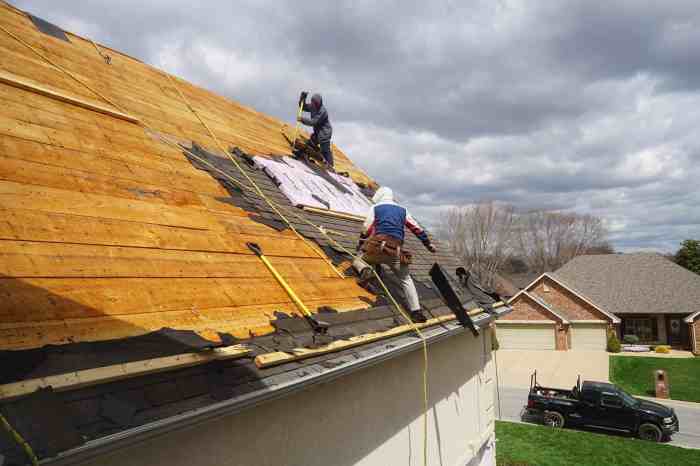
Roofing materials play a crucial role in determining the durability, aesthetics, and overall performance of a roof. Here are some popular roofing materials used in the industry along with their benefits and drawbacks:
Asphalt Shingles
- Asphalt shingles are the most commonly used roofing material in the United States due to their affordability and ease of installation.
- They come in a variety of colors and styles, making them suitable for various architectural designs.
- However, asphalt shingles have a shorter lifespan compared to other materials and may require frequent maintenance.
Metal Roofing
- Metal roofing is known for its durability, energy efficiency, and eco-friendliness.
- It can last up to 50 years or more, making it a long-term investment for homeowners.
- On the downside, metal roofing can be more expensive upfront compared to other materials.
Wood Shakes
- Wood shakes provide a natural and rustic look to a home, enhancing its curb appeal.
- They are also environmentally friendly and offer good insulation properties.
- However, wood shakes are prone to rot, mold, and insect damage, requiring regular maintenance.
Clay Tiles
- Clay tiles are known for their durability, fire resistance, and aesthetic appeal.
- They can last for decades and are available in various colors and styles.
- One drawback of clay tiles is their weight, which may require additional structural support.
Siding Options for Homes
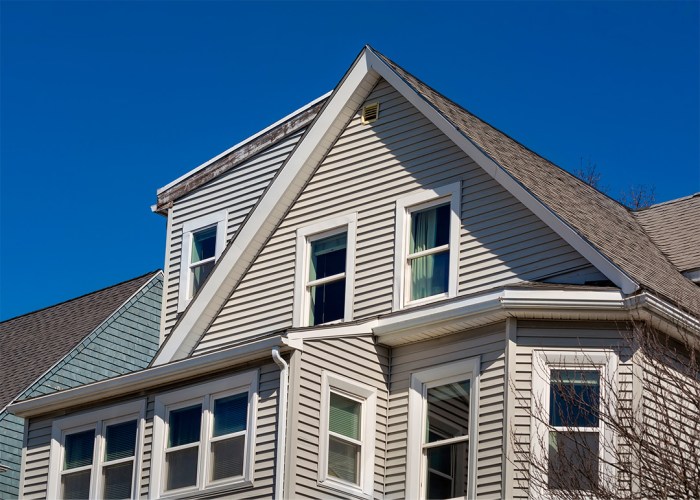
When it comes to choosing the right siding for your home, there are several options to consider. Each type of siding material has its own unique characteristics in terms of durability, aesthetics, and maintenance requirements.Vinyl Siding:Vinyl siding is a popular choice for homeowners due to its affordability and low maintenance.
It comes in a variety of colors and styles, making it versatile for different architectural designs. Vinyl siding is also durable and resistant to rot, fading, and pests.Fiber Cement Siding:Fiber cement siding is known for its durability and resistance to fire, water, and pests.
It can mimic the look of wood, stucco, or masonry, providing a high-end aesthetic appeal. Fiber cement siding requires minimal maintenance and is long-lasting.Wood Siding:Wood siding offers a natural and traditional look to homes. It can be painted or stained in various colors to match the homeowner's preference.
However, wood siding requires regular maintenance, such as painting or staining to protect it from rot, insects, and moisture.Metal Siding:Metal siding, such as aluminum or steel, is a durable and low-maintenance option for homes. It is resistant to fire, rot, and pests, making it a long-lasting choice.
Metal siding can be painted in different colors and styles to enhance the curb appeal of the home.Brick Siding:Brick siding provides a classic and timeless look to homes. It is durable, fire-resistant, and requires minimal maintenance. Brick siding can last for decades and adds value to the property.
However, it is a more expensive option compared to other siding materials.Each siding material has its own advantages and disadvantages, so it's essential to consider factors such as budget, maintenance requirements, and aesthetic preferences when choosing the right siding for your home.
Roofing and Siding Installation Process
Installing a new roof or siding involves a series of steps that are crucial to ensure the longevity and functionality of the materials. Safety measures must be strictly followed to prevent accidents and injuries during the installation process.
Roofing Installation Process
- Preparation of the Roof: This involves removing the old roofing materials, inspecting the roof deck for any damage, and preparing it for the new roofing materials.
- Installation of Underlayment: A waterproof underlayment is installed on the roof deck to provide an additional layer of protection against water infiltration.
- Placement of Roofing Materials: The selected roofing materials, whether asphalt shingles, metal panels, or tiles, are then installed according to the manufacturer's guidelines.
- Flashing and Ventilation: Proper flashing around roof penetrations and ventilation systems are essential to prevent leaks and moisture buildup.
- Final Inspection: Once the installation is complete, a thorough inspection is carried out to ensure that everything is correctly installed and sealed.
Siding Installation Process
- Preparation of the Exterior: Similar to roofing, the old siding is removed, and the exterior walls are inspected for any damage that needs to be repaired before installation.
- Installation of House Wrap: A weather-resistant barrier is applied to the walls to protect against moisture and improve energy efficiency.
- Mounting the Siding Panels: The siding panels, whether vinyl, wood, fiber cement, or metal, are then carefully installed following the manufacturer's instructions.
- Trim and Accessories: Trims, corner pieces, and accessories are added to give the siding a finished look and enhance its durability.
- Quality Check: A final inspection is conducted to ensure that the siding is properly installed, with no gaps or loose panels that could compromise its effectiveness.
Roofing and Siding Repair and Maintenance
Roofs and sidings are crucial components of a home's structure, providing protection against the elements. Over time, they can face various issues that may compromise their integrity. It is essential to understand common problems and how to maintain and repair roofs and sidings to ensure their longevity.Explain common issues that roofs and sidings face over time:
Common Issues with Roofs and Sidings
- Leaking: One of the most common problems with roofs and sidings is leaking, which can lead to water damage and mold growth.
- Cracking or Warping: Exposure to sunlight, rain, and snow can cause roofs and sidings to crack or warp over time.
- Moss and Algae Growth: Moisture buildup can result in moss and algae growth on roofs and sidings, impacting their appearance and structural integrity.
- Hail Damage: Severe weather conditions, such as hailstorms, can cause dents and damage to roofs and sidings.
Provide tips for maintaining roofs and sidings to prolong their lifespan:
Maintenance Tips for Roofs and Sidings
- Regular Inspections: Schedule annual inspections to check for any signs of damage or wear and tear.
- Clean Gutters: Keep gutters clear of debris to prevent water buildup and potential damage to roofs and sidings.
- Trim Overhanging Branches: Trim trees near your home to prevent branches from damaging roofs and sidings during storms.
- Remove Moss and Algae: Use a solution of water and bleach to remove moss and algae growth on roofs and sidings.
Describe the repair procedures for common roofing and siding problems:
Repair Procedures for Roofs and Sidings
- Leaking Roof: Identify the source of the leak and patch it using roofing cement or replace damaged shingles.
- Cracked Siding: Remove the damaged section of siding and replace it with a new piece to maintain the structural integrity.
- Moss Removal: Scrub moss off roofs and sidings using a brush and cleaning solution to prevent further growth.
- Hail Damage Repair: Inspect roofs and sidings for hail damage and replace any dented or damaged materials to prevent water infiltration.
Energy Efficiency in Roofing and Siding
When it comes to energy efficiency in roofing and siding, the choice of materials plays a crucial role in determining how well a home can retain heat in the winter and stay cool in the summer. This not only impacts the comfort of the residents but also affects energy bills and the overall environmental footprint of the building.One of the key strategies to improve energy efficiency is by selecting materials that have high insulation properties.
These materials can help reduce heat loss in the winter and heat gain in the summer, thus lowering the energy needed for heating and cooling. Proper installation techniques, such as sealing gaps and ensuring adequate ventilation, also play a significant role in maximizing energy efficiency.
Eco-Friendly Roofing and Siding Options
- Green roofs: These roofs are covered with vegetation, which helps reduce heat absorption and provides natural insulation.
- Solar panels: Installing solar panels on the roof can help harness renewable energy and reduce reliance on traditional power sources.
- Recycled materials: Using recycled materials for roofing and siding not only reduces waste but also minimizes the environmental impact of production.
- Cool roofs: These roofs are designed to reflect sunlight and absorb less heat, helping to keep the building cooler and reduce the need for air conditioning.
Last Word
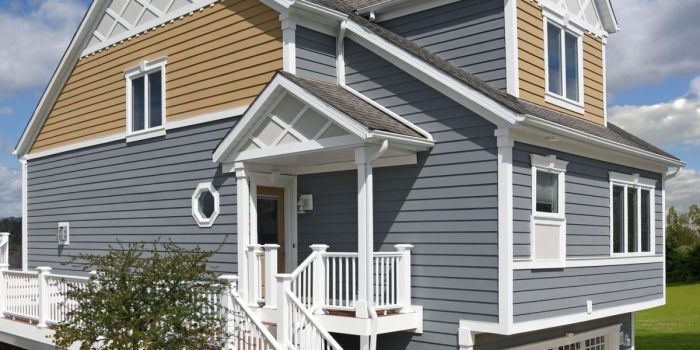
In conclusion, investing in high-quality roofing and siding services not only adds value to your home but also ensures long-lasting durability and energy efficiency. With proper maintenance and care, your roof and siding can stand the test of time, providing a secure and visually appealing shelter for years to come.
Frequently Asked Questions
What are the most popular roofing materials?
Some popular roofing materials include asphalt shingles, metal roofing, clay tiles, and wood shakes.
How do I maintain my siding's longevity?
Regularly clean your siding, inspect for damage, and repaint or reseal as needed to maintain its durability.
What safety measures should be taken during roofing installation?
Ensure proper fall protection, use safe ladder practices, and follow manufacturer guidelines for installation.
Can energy efficiency be improved through roofing and siding choices?
Yes, selecting energy-efficient materials like cool roofs or insulated siding can significantly impact your home's energy consumption.