Embark on a journey through the world of architecture website design, where innovation meets creativity to shape digital spaces that captivate and inspire. From showcasing stunning architectural projects to creating seamless user experiences, this guide delves into the key elements that define a well-designed architecture website.
Explore the importance of visual identity, user navigation, and content management as we unravel the secrets behind successful architecture websites.
Importance of Architecture Website Design
![20+ Best Architecture Website Templates 2025 [Edition] - RadiusTheme](https://investment.kolamtekno.com/wp-content/uploads/2025/11/BAUEN.jpg "20+ Best Architecture Website Templates 2025 [Edition] - RadiusTheme")
In today's digital age, having a well-designed architecture website is crucial for professionals in the field. It serves as a digital portfolio, showcasing past projects, design philosophy, and expertise to a global audience. A thoughtfully crafted website not only enhances the credibility of an architect but also plays a significant role in attracting potential clients and collaborators.
Enhancing User Experience
Successful architecture websites such as Zaha Hadid Architects and Bjarke Ingels Group prioritize user experience through intuitive navigation, high-quality images, and engaging content. By presenting projects in a visually appealing and easy-to-digest format, these websites create a seamless browsing experience for visitors.
This, in turn, keeps users engaged and encourages them to explore more of the architect's work.
Attracting Potential Clients
A well-designed website can act as a powerful marketing tool for architects, helping them reach a wider audience and attract potential clients. By showcasing a diverse portfolio, highlighting unique design approaches, and sharing client testimonials, architects can effectively communicate their expertise and design philosophy.
This transparency and professionalism can instill trust in potential clients and ultimately lead to new business opportunities.
Key Elements of a Well-Designed Architecture Website
When it comes to designing an architecture website, there are several key elements that can make a significant difference in attracting visitors and showcasing projects effectively. These elements play a crucial role in presenting the unique design aesthetics and creativity of architectural firms or professionals.
Essential Features for an Architecture Website
Having the right features on an architecture website can enhance the user experience and provide valuable information to potential clients. Here are some essential features that should be included:
- Portfolio Showcase: A dedicated section to display past projects with detailed descriptions and high-quality images.
- Contact Information: Easy access to contact details, including email, phone number, and location map.
- About Us Page: Information about the firm or architect, including their background, expertise, and philosophy.
- Responsive Design: Ensuring the website is optimized for different devices, such as desktops, tablets, and smartphones.
- Call-to-Action Buttons: Clear buttons prompting visitors to take action, such as requesting a consultation or viewing more projects.
Design Styles in Architecture Websites
Architecture websites often showcase different design styles that reflect the aesthetic preferences of the firm or architect. Here are some common design styles used in architecture websites:
- Minimalist Design: Clean and simple layouts with a focus on typography and imagery.
- Modernist Design: Emphasis on geometric shapes, sharp lines, and innovative use of materials.
- Traditional Design: Classic and timeless layouts that convey a sense of heritage and craftsmanship.
- Sustainable Design: Incorporating eco-friendly elements and showcasing environmentally conscious projects.
Importance of High-Quality Images in Architectural Projects
High-quality images play a crucial role in showcasing architectural projects effectively. They provide a visual representation of the design concepts, materials used, and overall aesthetic appeal of the project. By including stunning photos of completed projects, architectural firms can attract potential clients and demonstrate their expertise in creating visually appealing spaces.
User Experience and Navigation
User experience (UX) is a crucial aspect of architecture website design as it directly impacts how visitors interact with and perceive the website. A well-thought-out user experience can lead to increased engagement, longer visits, and higher conversion rates. Navigation, on the other hand, plays a key role in guiding users through the website and helping them find the information they need efficiently.
Creating Intuitive Navigation
Effective navigation is essential for architecture websites to ensure a seamless user experience. Here are some tips for creating intuitive navigation:
- Keep it simple: Avoid cluttering the navigation menu with too many options. Prioritize the most important pages and categories.
- Use descriptive labels: Clearly label each navigation item to help users understand where each link will take them.
- Include a search bar: Adding a search bar allows users to quickly find specific information on the website.
- Use visual cues: Utilize visual elements like icons or dropdown menus to make navigation more user-friendly and intuitive.
- Ensure consistency: Maintain a consistent navigation layout across all pages to avoid confusion and help users navigate the site easily.
Significance of Mobile Responsiveness
In today's digital age, having a mobile-responsive architecture website is crucial. With the increasing use of smartphones and tablets, it is essential to ensure that your website is optimized for mobile devices. Mobile responsiveness not only improves the user experience for mobile users but also plays a significant role in search engine rankings.
A mobile-responsive website adapts to different screen sizes and resolutions, providing a seamless experience across all devices.
Content Creation and Management
Creating engaging content for an architecture website is crucial to attract and retain visitors. One strategy is to showcase stunning visuals of architectural projects through high-quality images and videos. Additionally, providing informative articles, case studies, and interviews with architects can offer valuable insights to your audience.
Importance of Regular Content Updates
Regularly updating content on your architecture website is essential to keep it fresh and relevant. By posting new projects, articles, and industry trends, you can demonstrate your expertise and establish credibility with your audience. Updating content also improves your website's ranking and encourages repeat visits from users.
Organizing and Categorizing Content
Effectively organizing and categorizing content on your architecture website is key to providing a seamless user experience. Create clear navigation menus and categories that help visitors easily find the information they are looking for. Consider using tags and filters to allow users to refine their search results based on project type, location, or architectural style.
Branding and Visual Identity
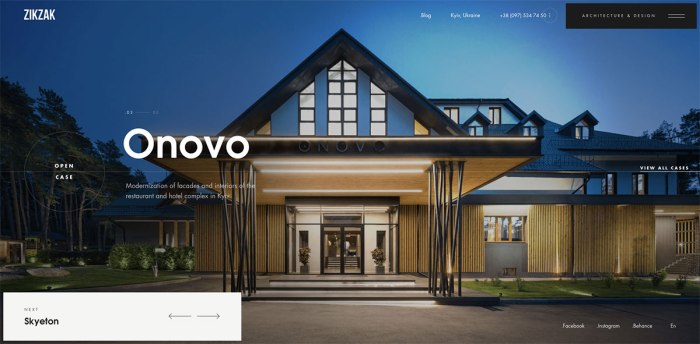
Branding plays a crucial role in the design of an architecture website as it helps to establish a unique identity and memorable presence in the minds of visitors. Through the use of color schemes, typography, and imagery, architecture websites can effectively communicate their brand values and aesthetics to users.
Color Schemes
Color schemes are a key element in reflecting a brand's personality and style on an architecture website. By selecting a cohesive palette that aligns with the brand's identity, architects can evoke specific emotions and create a visually appealing experience for visitors.
For example, a website for a modern architecture firm may use a minimalist color scheme with clean lines and neutral tones to reflect their sleek and contemporary design approach.
Typography
Typography also plays a significant role in establishing a brand's visual identity on an architecture website. The choice of fonts can convey the brand's tone and professionalism. For instance, a website for a traditional architecture firm may opt for classic serif fonts to reflect their heritage and timeless design principles, while a website for a cutting-edge design studio might use bold and modern fonts to showcase their innovative approach.
Imagery
The use of imagery is another powerful tool for communicating a brand's identity through design. High-quality photographs, renderings, and project images can help showcase the firm's portfolio and style. By selecting visuals that align with the brand's values and design aesthetic, architecture websites can create a cohesive and compelling visual identity.
For example, a website for a sustainable architecture firm may feature eco-friendly materials and green spaces in their imagery to emphasize their commitment to environmental stewardship.Overall, a well-designed architecture website that effectively incorporates branding elements such as color schemes, typography, and imagery can create a strong visual identity that resonates with visitors and reinforces the firm's brand message.
Conclusive Thoughts
As we conclude our exploration of architecture website design, remember that every pixel, every image, and every word on a website plays a vital role in shaping the online presence of architectural professionals. Embrace the power of design to leave a lasting impression on potential clients and stand out in a competitive digital landscape.
General Inquiries
How can architecture website design impact attracting potential clients?
Architecture website design creates a visually appealing platform to showcase expertise, which can attract potential clients looking for architectural services.
What are some essential features to include in an architecture website?
Essential features include a portfolio section, contact information, about us page, and easy navigation to showcase projects effectively.
Why is mobile responsiveness significant in architecture website design?
Mobile responsiveness ensures that the website functions seamlessly on various devices, providing a positive user experience for visitors.