Embark on a journey through the world of office room interior design, where every detail matters and every choice shapes the space into a harmonious blend of functionality and aesthetics. From furniture selection to lighting design, discover how to create an office environment that inspires productivity and fosters creativity.
Delve into the nuances of color schemes, furniture placement, and technology integration to unlock the full potential of your office room. Whether you're aiming for a vibrant and dynamic workspace or a serene and focused atmosphere, this guide will equip you with the knowledge to transform your office into a place where work feels like a pleasure.
Elements of Office Room Interior Design
When designing an office room, it is essential to consider various elements that will contribute to the overall aesthetics, functionality, and productivity of the space. Elements such as lighting, furniture, color scheme, and layout play a crucial role in creating a conducive work environment.
Additionally, incorporating plants, artwork, and technology can further enhance the office space, making it more inviting and inspiring for employees.
Lighting
Proper lighting is crucial in an office setting as it can affect mood, productivity, and overall well-being. Natural light is ideal, but if not available, artificial lighting should be strategically placed to prevent glare and shadows. Task lighting for workstations and ambient lighting for common areas can help create a comfortable and productive environment.
Furniture
The choice of furniture in an office room should be ergonomic, functional, and aesthetically pleasing. Comfortable chairs, adjustable desks, and adequate storage solutions are essential for the well-being and efficiency of employees. The furniture should also complement the overall design theme of the office space.
Color Scheme
The color scheme of an office room can significantly impact the mood and productivity of employees. Neutral tones like white, beige, and gray can create a calm and focused atmosphere, while pops of color can add energy and creativity to the space.
It is important to balance the color scheme to ensure a harmonious and inspiring environment.
Layout
The layout of an office room should be functional and efficient, taking into consideration the flow of traffic, accessibility, and division of spaces. Open layouts can promote collaboration and communication, while private work areas can provide focus and concentration when needed.
A well-planned layout can optimize the use of space and enhance the overall work environment.
Plants, Artwork, and Technology
Incorporating plants in an office room can improve air quality, reduce stress, and increase productivity. Artwork can add personality and visual interest to the space, creating a more inviting and inspiring atmosphere. Technology such as smart lighting, sound systems, and video conferencing tools can enhance the functionality and efficiency of the office room, making it a modern and innovative workspace.
Space Planning and Layout
Space planning plays a crucial role in office room interior design as it determines the efficiency and functionality of the workspace. By carefully organizing the layout and maximizing the available space, you can create an environment that promotes productivity and enhances employee well-being.
Optimizing Space for Functionality and Productivity
When optimizing space for functionality and productivity in an office room, consider the following tips:
- Utilize vertical space by installing shelves or storage units to keep the floor area clutter-free.
- Use multifunctional furniture such as desks with built-in storage to maximize space efficiency.
- Ensure proper lighting to reduce eye strain and improve focus, enhancing productivity.
- Create designated areas for different functions, such as a collaboration zone, individual workstations, and a relaxation area.
Designated Areas for Different Functions
It is essential to create designated areas within the office room to cater to various functions and activities. Here are some tips on creating distinct zones:
- Define a separate space for meetings or brainstorming sessions, equipped with a large table and comfortable seating.
- Establish a quiet area for focused work, away from high-traffic areas and distractions.
- Integrate a breakout area where employees can relax, recharge, or socialize during breaks.
Furniture Selection and Placement
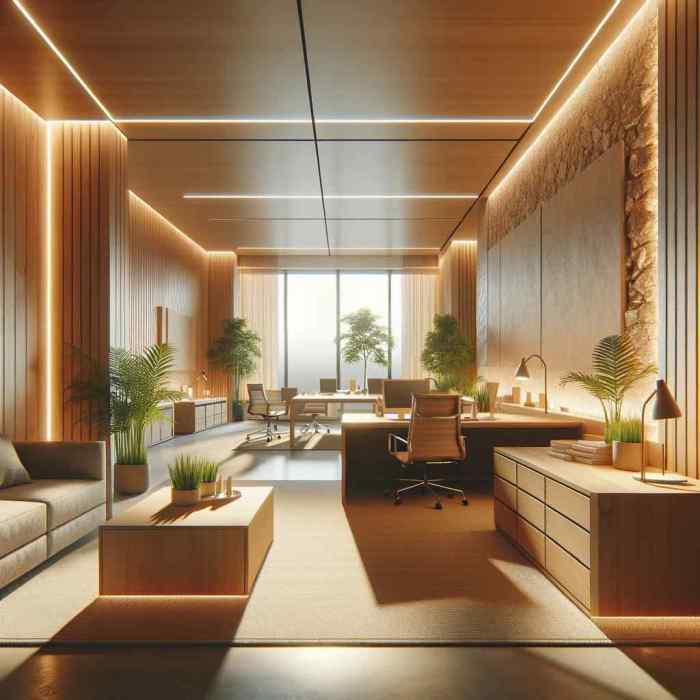
When designing an office room, selecting the right furniture and arranging it properly is crucial for creating a functional and comfortable workspace. The furniture not only needs to fit the aesthetic of the room but also needs to support productivity and well-being.
Here's a guide on how to go about selecting and placing furniture in an office room.
Selecting Appropriate Furniture
- Consider the function of the furniture: Choose pieces that serve their intended purpose. For example, ergonomic chairs for long hours of sitting, sturdy desks for workstations, and storage units for organizing documents.
- Match the style: Ensure that the furniture complements the overall design theme of the office room. Opt for cohesive colors and materials that tie the space together.
- Quality over quantity: Invest in high-quality furniture that is durable and long-lasting. This not only improves the aesthetics but also ensures comfort and functionality for years to come.
Ergonomic Considerations
- Adjustable furniture: Look for chairs and desks that are adjustable to accommodate different body types and preferences. This helps in reducing strain and promoting good posture.
- Supportive seating: Choose chairs with proper lumbar support and cushioning to prevent back pain and discomfort during long hours of work.
- Proper desk height: Ensure that the desk height allows for comfortable typing and viewing of the computer screen to prevent neck and shoulder strain.
Arranging Furniture for Efficiency
- Zoning: Divide the office room into different zones for work, meetings, and relaxation. Arrange furniture accordingly to create distinct areas that serve their specific purposes.
- Open layout: Foster collaboration and communication by arranging furniture in an open layout that encourages interaction among team members.
- Maximize natural light: Position desks and workstations near windows to maximize natural light exposure, which can boost mood and productivity.
Color Scheme and Decor
When it comes to office room interior design, the color scheme and decor play a crucial role in creating the right ambiance and setting the tone for productivity and professionalism. Choosing the right colors and incorporating decor elements can significantly impact the overall look and feel of the workspace.
Impact of Color Schemes
- Neutral colors like white, beige, and gray can create a clean and modern look, promoting focus and clarity of mind.
- Blue is known to enhance productivity and concentration, making it an ideal choice for office spaces.
- Green is associated with creativity and can help reduce stress, making it suitable for brainstorming areas or creative departments.
- Warm tones like orange and yellow can add energy and warmth to the space, but should be used in moderation to avoid overwhelming the senses.
Choosing Colors for a Professional Environment
- Stick to a cohesive color palette that complements the company's branding and conveys professionalism.
- Avoid overly bright or bold colors that may distract employees and clients, opting for more subtle hues instead.
- Consider the psychological effects of colors and choose shades that promote a sense of trust, reliability, and authority.
Incorporating Decor Elements
- Wall art can add personality and visual interest to the space, reflecting the company's values and culture.
- Rugs can define different areas within the office and provide comfort underfoot, enhancing the overall aesthetic.
- Curtains or window treatments can soften the look of the room, control natural light, and add a touch of elegance to the design.
Lighting Design
Proper lighting is a crucial aspect of office room interior design as it can significantly impact the mood, productivity, and overall atmosphere of the workspace. It is essential to strike a balance between natural and artificial light to create a well-lit environment that is both comfortable and functional.
Types of Lighting Fixtures
- Overhead Lighting: Ceiling-mounted fixtures that provide general illumination throughout the office space.
- Task Lighting: Direct lighting focused on specific work areas such as desks or tables to enhance visibility and reduce eye strain.
- Ambient Lighting: Soft, background lighting that helps create a warm and inviting atmosphere in the office.
- Accent Lighting: Used to highlight artwork, plants, or architectural features to add visual interest to the space.
Tips for Balancing Natural and Artificial Light
- Position desks and workstations near windows to maximize natural light exposure.
- Use adjustable blinds or curtains to control the amount of natural light entering the space and reduce glare on computer screens.
- Consider the color temperature of artificial light sources to ensure they complement the natural light and create a cohesive lighting scheme.
- Utilize lighting controls such as dimmer switches or timers to adjust the lighting levels based on the time of day and task requirements.
Technology Integration
In today's modern office design, integrating technology seamlessly into the workspace is essential for productivity and efficiency. By incorporating tech-friendly elements and ensuring proper cable management, you can create a sleek and organized office room that meets the needs of your team.
Importance of Cable Management
Proper cable management is crucial in maintaining a clean and organized office environment. Unsightly cables not only detract from the overall aesthetic but can also pose safety hazards. Implementing cable management solutions such as cable trays, clips, and cord organizers can help keep wires neat and tucked away, improving the overall look of the office room.
Creating Tech-Friendly Workstations
When designing workstations, consider the technology needs of your team. Incorporate built-in power outlets, USB ports, and charging stations to ensure easy access to power sources for devices. Additionally, adjustable monitor arms, keyboard trays, and cable management systems can enhance the functionality of workstations while maintaining a clean and clutter-free workspace.
Innovative Ideas for Technology Integration
- Implement wireless charging stations for smartphones and other devices to eliminate the need for cords and cables on desks.
- Install smart lighting systems that can be controlled remotely or through voice commands for added convenience and energy efficiency.
- Incorporate interactive whiteboards or touchscreen monitors for collaborative meetings and presentations, allowing for seamless integration of technology in the office room design.
Summary
As we conclude our exploration of office room interior design, remember that the key to a successful office space lies in the careful balance of elements that cater to both practical needs and visual appeal. By incorporating thoughtful design choices and strategic planning, you can create an office environment that not only reflects your company's ethos but also enhances the well-being and productivity of everyone who steps foot inside.
Helpful Answers
How important is lighting in office room interior design?
Lighting plays a crucial role in setting the ambiance and functionality of an office space. Proper lighting can enhance productivity, reduce eye strain, and create a welcoming atmosphere.
What are some tips for optimizing space in an office room?
To optimize space, consider multifunctional furniture, utilize vertical storage solutions, and create designated areas for specific functions such as meetings, workstations, and relaxation.
How can technology be seamlessly integrated into office room design?
Integrating technology involves thoughtful cable management, creating tech-friendly workstations with accessible outlets, and incorporating devices that enhance workflow efficiency without compromising the overall aesthetic.