Dive into the world of mid century modern interior design, where sleek lines, iconic furniture, and vibrant color palettes come together to create timeless spaces that are both functional and stylish. This introduction sets the stage for an in-depth exploration of this influential design movement.
As we delve deeper, we uncover the key characteristics, iconic furniture pieces, color palettes, and much more that define the essence of mid century modern interior design.
Overview of Mid Century Modern Interior
Mid century modern interior design emerged in the mid-20th century and is known for its clean lines, organic shapes, and minimalistic approach. This design style emphasizes functionality, simplicity, and a seamless connection to the outdoors.
Key Characteristics of Mid Century Modern Interior Design
- Minimalistic and uncluttered spaces with open floor plans
- Use of natural materials such as wood, leather, and metal
- Iconic furniture pieces with sleek, geometric shapes
- Integration of indoor and outdoor living spaces
- Emphasis on form following function
Examples of Iconic Furniture Pieces
- Eames Lounge Chair and Ottoman by Charles and Ray Eames
- Noguchi Coffee Table by Isamu Noguchi
- Womb Chair by Eero Saarinen
- Egg Chair by Arne Jacobsen
Color Palettes in Mid Century Modern Design
Mid century modern interiors often feature a mix of neutral colors such as white, beige, and gray, along with pops of vibrant hues like mustard yellow, teal, and olive green. These colors create a balanced and harmonious look while adding a touch of warmth and personality to the space.
Furniture in Mid Century Modern Interior
Mid century modern furniture is characterized by its sleek lines, organic shapes, and minimalist aesthetic. Influenced by Scandinavian design principles, mid century modern furniture prioritizes functionality and simplicity in form.
Influence of Scandinavian Design
Scandinavian design heavily influenced mid century modern furniture, emphasizing clean lines, understated elegance, and a focus on natural materials. This influence can be seen in the simple yet stylish designs of iconic mid century modern pieces.
Emphasis on Functionality and Minimalism
- Functionality is a key aspect of mid century modern furniture, with pieces often designed to serve a specific purpose without unnecessary ornamentation.
- Minimalism is another hallmark of mid century modern furniture, with a focus on clean, uncluttered spaces and simple yet striking designs.
Materials Used in Mid Century Modern Furniture
Mid century modern furniture often incorporates a mix of materials such as:
- Wood: Teak, walnut, and rosewood are commonly used in mid century modern furniture for their warmth and richness.
- Leather: Leather upholstery adds a touch of luxury to mid century modern pieces, enhancing their overall aesthetic.
- Metal: Metals like chrome and stainless steel are used in mid century modern furniture to provide contrast and a modern edge to the designs.
Layout and Space Planning
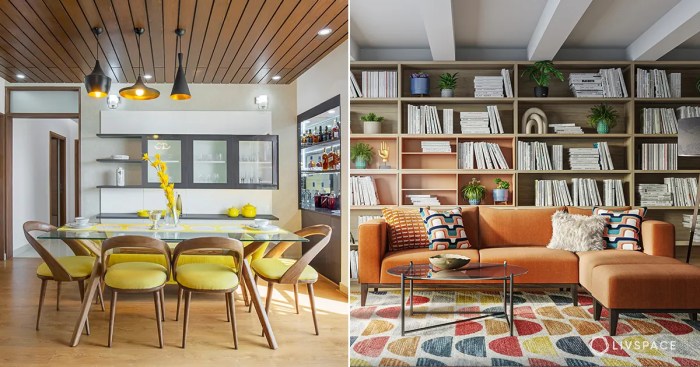
When it comes to mid century modern interior design, the layout and space planning play a crucial role in creating the iconic look and feel of this style.
Open Floor Plans in Mid Century Modern Homes
Mid century modern homes are known for their open floor plans, which emphasize a sense of flow and connectivity between different areas of the house. Walls are often minimized to create a more spacious and integrated living environment.
Integration of Indoor and Outdoor Spaces
One of the key features of mid century modern design is the seamless integration of indoor and outdoor spaces. Large windows, sliding glass doors, and outdoor patios are common elements that blur the boundaries between the interior and exterior, allowing for a closer connection to nature.
Tips for Optimizing Space
- Use multifunctional furniture pieces to maximize space efficiency.
- Keep the color palette light and neutral to create a sense of openness.
- Utilize built-in storage solutions to keep clutter at bay and maintain a clean, streamlined look.
- Consider the scale of furniture in relation to the size of the room to ensure a balanced and harmonious layout.
Lighting in Mid Century Modern Interior
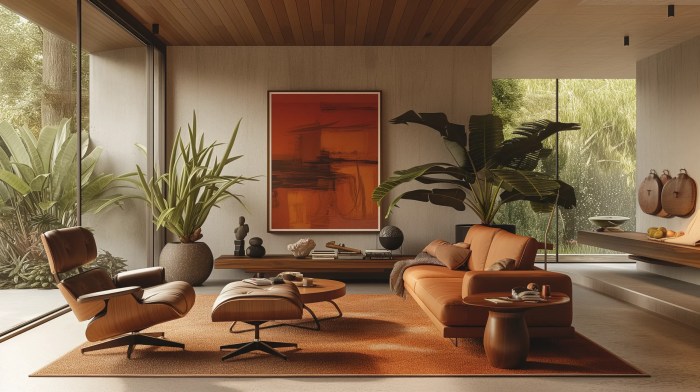
Lighting plays a crucial role in enhancing the overall aesthetic of mid century modern interiors by creating a warm and inviting atmosphere while highlighting the unique design elements.
Types of Lighting Fixtures
Mid century modern interiors commonly feature the following types of lighting fixtures:
- Pendant Lights: These fixtures with sleek, geometric shapes and clean lines are often used to create a focal point in the room.
- Table Lamps: Characterized by organic forms and bold colors, table lamps in mid century modern design add a touch of sophistication to the space.
- Floor Lamps: Tall, sculptural floor lamps are frequently used to provide ambient lighting and complement the overall aesthetic.
- Sconces: Wall-mounted sconces with minimalist designs are popular in mid century modern interiors for adding both task and ambient lighting.
Utilization of Natural Light
Natural light is a key element in mid century modern design, as it helps to connect the indoors with the outdoors and creates a sense of openness and airiness. Large windows, sliding glass doors, and skylights are often incorporated to maximize the influx of natural light into the space.
This not only enhances the overall aesthetic but also contributes to the well-being of the occupants by providing a connection to nature.
Textures and Patterns
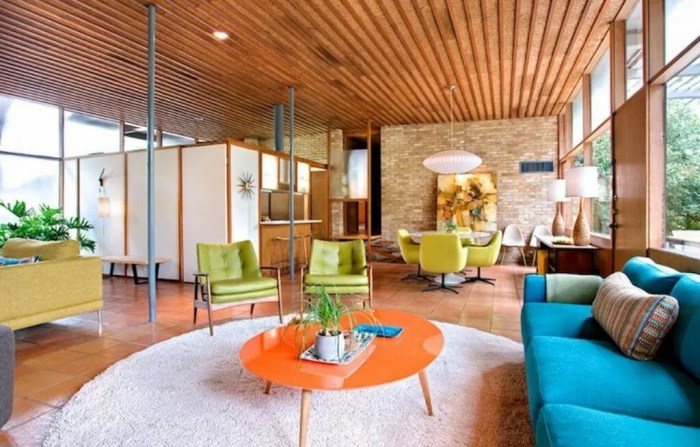
When it comes to mid century modern interiors, textures and patterns play a crucial role in adding depth and interest to the space. From shag rugs to velvet upholstery and geometric patterns, these elements can elevate the overall design aesthetic.
Use of Textures and Patterns
- Shag Rugs: Incorporating a shag rug in a mid century modern interior can bring in a cozy and inviting feel. The plush texture contrasts beautifully with the clean lines of mid century furniture.
- Velvet Upholstery: Velvet upholstery adds a touch of luxury and sophistication to a mid century modern space. It provides a soft and tactile element that enhances the overall comfort.
- Geometric Patterns: Geometric patterns are a hallmark of mid century modern design. Whether featured on wallpaper, throw pillows, or rugs, these patterns add a dynamic visual interest to the interior.
Mixing Textures and Patterns
- Balance is key when mixing textures and patterns in a mid century modern space. Opt for a mix of textures like smooth leather, rough wood, and soft fabrics to create a harmonious blend.
- When combining patterns, consider sticking to a cohesive color palette to tie everything together. Mix different scales of patterns for visual interest without overwhelming the space.
Adding Depth and Interest
- Textures and patterns can add layers of depth to a mid century modern interior, making it feel more dynamic and visually engaging.
- For example, a room with a velvet sofa, a geometric patterned rug, and textured throw pillows can create a multidimensional look that keeps the eye moving throughout the space.
Ultimate Conclusion
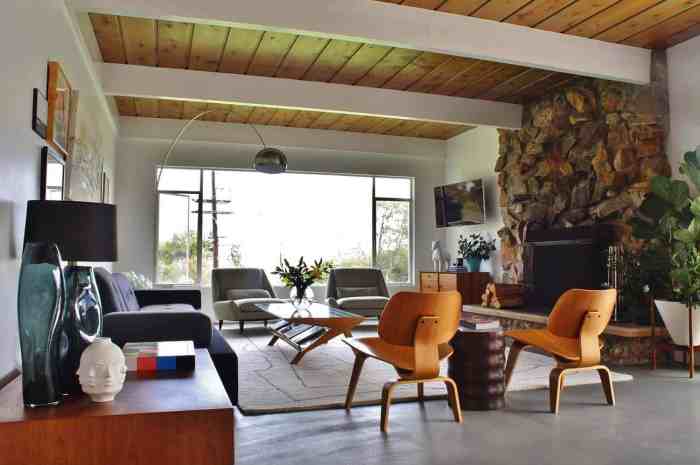
In conclusion, mid century modern interior design continues to captivate with its timeless appeal and innovative approach to blending form and function. It is a style that effortlessly combines the past with the present, offering a glimpse into a design era that remains as relevant today as it was decades ago.
Frequently Asked Questions
What are the key characteristics of mid century modern interior design?
Mid century modern interior design is known for its clean lines, organic shapes, and mix of materials like wood, metal, and leather.
How is lighting important in mid century modern interiors?
Lighting plays a crucial role in enhancing the overall aesthetic of mid century modern spaces by creating ambiance and highlighting design elements.
What types of textures and patterns are common in mid century modern interiors?
Textures like shag rugs, velvet upholstery, and geometric patterns are often used to add depth and visual interest to mid century modern spaces.