Windows and siding replacement can breathe new life into your home, offering not just aesthetic improvements but also energy efficiency and cost savings. This comprehensive guide delves into the world of upgrading your windows and siding, exploring the various materials, hiring professionals versus DIY, key factors to consider, and much more.
Let's embark on this journey to transform your home into a more efficient, stylish, and valuable space.
Benefits of Windows and Siding Replacement
Replacing windows and siding in your home can bring numerous benefits that go beyond just aesthetic improvements.
Energy Efficiency Improvements
Upgrading to newer, more energy-efficient windows and siding can significantly reduce your home's energy consumption. By preventing air leaks and improving insulation, you can lower your heating and cooling costs throughout the year.
Potential Cost Savings Over Time
While the initial investment in replacing windows and siding may seem high, the long-term cost savings are substantial. Lower energy bills, reduced maintenance costs, and increased durability of new materials can all contribute to significant savings over time.
Enhanced Curb Appeal and Increased Property Value
New windows and siding can transform the look of your home, boosting its curb appeal and making it more attractive to potential buyers. This can ultimately lead to an increase in property value, providing a return on your investment if you ever decide to sell.
Types of Windows and Siding Materials
Windows and siding materials play a crucial role in the overall look, durability, and maintenance of your home. Choosing the right materials can enhance your property's curb appeal and increase its energy efficiency.
Window Materials
- Vinyl: Vinyl windows are affordable, low-maintenance, and energy-efficient. They come in a variety of colors and styles, making them a popular choice for many homeowners.
- Wood: Wood windows offer a classic look and can be easily customized to match your home's architectural style. However, they require more maintenance to prevent rotting or warping.
- Aluminum: Aluminum windows are durable and lightweight, making them a great option for modern homes. They are also low-maintenance and resistant to rust.
- Fiberglass: Fiberglass windows are known for their strength and weather resistance. They are energy-efficient and can be painted to match your home's exterior.
Siding Materials
- Vinyl: Vinyl siding is affordable, durable, and easy to maintain. It comes in a wide range of colors and styles, allowing you to customize the look of your home.
- Fiber Cement: Fiber cement siding is a popular choice for its durability and resistance to rot, termites, and fire. It can mimic the look of wood or stucco without the maintenance issues.
- Wood: Wood siding offers a natural and timeless aesthetic. While it requires more maintenance to prevent rot and pests, it can be stained or painted for a customized look.
- Stucco: Stucco siding is a durable and fire-resistant option that provides a unique texture to your home's exterior. It requires professional installation and regular maintenance to prevent cracks or water damage.
Choosing the right windows and siding materials can significantly impact the appearance and functionality of your home. Consider factors like durability, maintenance requirements, energy efficiency, and aesthetic appeal when selecting the materials that best suit your needs and budget.
Hiring Professionals vs. DIY for Replacement Projects
When it comes to windows and siding replacement, deciding between hiring professionals or attempting a DIY project is a crucial choice that can impact the outcome of the renovation.
Replacing windows and siding is a significant investment in your home, and hiring professional contractors can offer several advantages:
Advantages of Hiring Professional Contractors
- Expertise and Experience: Professional contractors have the training and experience to complete the replacement project efficiently and effectively.
- Quality Workmanship: Professionals can ensure that the installation is done correctly, minimizing the risk of future issues.
- Time-Saving: Hiring contractors can save you time and effort, allowing you to focus on other priorities.
- Warranty and Guarantee: Reputable contractors often provide warranties for their work, giving you peace of mind.
However, attempting a DIY replacement project can present various risks and challenges:
Risks and Challenges of DIY Replacement Projects
- Improper Installation: Without the necessary skills and knowledge, DIY projects can lead to improper installation, causing leaks, drafts, and other problems.
- Safety Concerns: Working with windows and siding can be dangerous, especially if you are inexperienced with handling tools and materials.
- Costly Mistakes: DIY errors can result in additional expenses to fix the issues, potentially costing more than hiring professionals initially.
When selecting contractors for your windows and siding replacement, consider the following tips to ensure quality workmanship:
Tips for Selecting Reputable Contractors
- Ask for Recommendations: Seek referrals from friends, family, or neighbors who have had similar projects done.
- Check Credentials: Verify that the contractors are licensed, insured, and have positive customer reviews.
- Get Multiple Quotes: Compare quotes from different contractors to ensure you are getting a fair price for the work.
- Ask About Warranties: Inquire about warranties and guarantees for the installation and materials used.
Factors to Consider Before Window and Siding Replacement
When planning for window and siding replacement, there are several key factors to consider that can influence your material choices and overall project success.Proper insulation and ventilation are crucial aspects to take into account when replacing windows and siding. Insufficient insulation can lead to energy loss and increased utility bills, while poor ventilation can result in moisture buildup and mold growth.
It is important to ensure that your new windows and siding are properly insulated and allow for adequate airflow to maintain a comfortable and healthy indoor environment.Climate is another significant factor to consider when choosing materials for window and siding replacement.
Different materials have varying levels of durability and resistance to harsh weather conditions. For example, in areas with extreme temperatures, you may want to opt for materials that offer better insulation properties to keep your home comfortable year-round.Your budget will also play a crucial role in determining the materials you can use for window and siding replacement.
Some materials may be more expensive upfront but offer long-term cost savings in terms of energy efficiency and maintenance requirements. It is essential to strike a balance between cost and quality to ensure that you get the best value for your investment.Consider the architectural style of your home when selecting windows and siding materials.
Certain materials may complement the design of your house better than others, enhancing its curb appeal and overall aesthetics. It is important to choose materials that not only meet your functional needs but also enhance the visual appeal of your home.Before starting your window and siding replacement project, be sure to check if there are any regulatory requirements or permits needed in your area.
Some local authorities may have specific guidelines regarding the types of materials that can be used or the installation process. It is important to comply with these regulations to avoid any legal issues and ensure that your project meets safety and quality standards.
Closing Summary
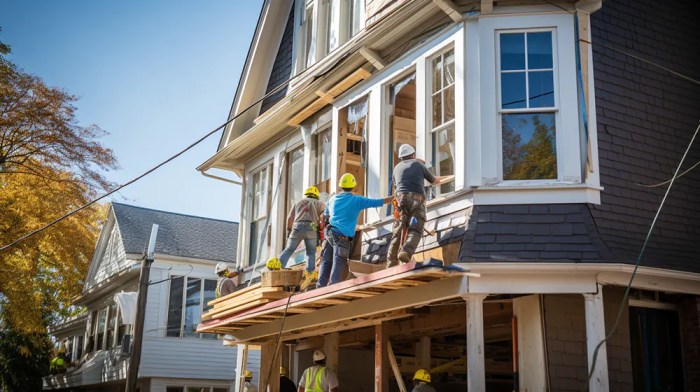
As we conclude this exploration of windows and siding replacement, remember that these upgrades go beyond just appearance. They are investments in your home's future, providing lasting benefits that enhance comfort, efficiency, and value. Whether you're looking to lower energy bills, boost curb appeal, or increase property value, the decision to replace your windows and siding can truly transform your living space.
Frequently Asked Questions
What are the benefits of upgrading to newer windows and siding?
Upgrading to newer windows and siding can improve energy efficiency, save costs over time, enhance curb appeal, and increase property value.
What types of materials are commonly used for windows and siding?
Common window materials include vinyl, wood, aluminum, and fiberglass, while siding materials range from vinyl and fiber cement to wood and stucco.
Is it better to hire professionals or attempt a DIY replacement project?
Hiring professional contractors ensures quality workmanship and minimizes risks, while DIY projects may pose challenges and require specialized skills.
What factors should I consider before embarking on window and siding replacement?
Key factors to consider include climate, budget, architectural style, maintenance preferences, insulation, ventilation, and any regulatory requirements or permits needed.